
Safety that starts at home in Singapore
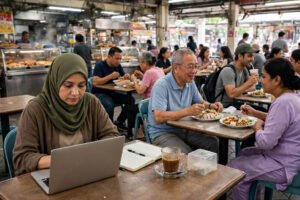
Safety advice often sounds like a list of warnings, but for a Singapore Muslimah it can be something calmer: a set of habits learned at home and carried abroad. In Singapore we move daily through MRT stations, hawker centres, void decks and neighbourhood streets shared by people of many cultures. We learn to stay aware, to keep bags close in a crowd, to choose well lit routes at night, and to look out for each other. Those same habits travel well, wherever you go.
The pleasure of Allah is sought not through fear, but through care: care for yourself, for your companions, and for the trust your family places in you when you travel. This guide reframes general travel safety tips for a Singapore starting point, with prayer, halal food, modest dress and family life woven in, so that safety feels like preparation, not anxiety.
Plan the day around prayer and light
A well planned day is a safer day. Before you travel, look at prayer times at your destination and think about how they fit with transport, sightseeing and meals. A day built around prayer pauses is naturally broken into manageable parts, with time to sit, drink water and reset. It also helps you avoid rushing through unfamiliar streets late at night simply because the itinerary was too full.
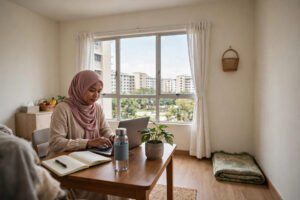
Choose accommodation and meeting points with practical care. Is the area well lit and easy to reach by public transport. Is there a clear address you can show a driver. Is there a quiet place nearby where you can pray without hurrying. Keep a light prayer mat, a water bottle and a small bag that stays close to your body. In humid heat, drink regularly and seek shade. In sudden rain, step into a sheltered place rather than rushing across a busy road. These small decisions, repeated through the day, keep you steady.
Transport, bags and documents
Transport is often where safety tips become real. In Singapore, MRT and bus travel feels familiar and well organised. Elsewhere, transport may be less predictable, so plan a little more. Learn the main transport options before you arrive, keep a note of your accommodation address in the local language where that helps, and agree a meeting point with companions in case phones run out of battery or signals fail.
Keep your bag simple and close. A crossbody bag with a secure closure, kept in front in crowded places, is usually more practical than a large open tote. Keep important documents safe, and keep copies separate from originals where possible. Tell a trusted person at home your rough plan and expected return, and agree how you will stay in touch. This is not about limiting your freedom. It is about giving yourself a calm safety net, so that a delay, a missed connection or a sudden downpour becomes a problem to solve, not a crisis.
Food, drink and modest comfort
Safe travel also means looking after your body. Eat at places that look clean and busy, ask politely about halal certification where it is not clear, and choose simple food when you are unsure. In Singapore we are used to clear halal certification and to hawker centres where halal stalls are easy to spot. Elsewhere, signs and practices may differ, so a respectful question about ingredients and preparation is a normal part of travel, not an awkward extra. Check live details before you go where possible, and keep a few safe snacks for long journeys.
Modest dress can also support comfort and safety. Choose breathable layers that give coverage without overheating, shoes that handle long walks and wet streets, and a hijab style that stays secure in wind and crowds. Try your travel outfit at home first, on a long walk in humid heat and a ride with strong air conditioning, so that you are not adjusting clothes all day abroad. When you feel comfortable, you can focus on the place and the people, rather than on discomfort.
People, boundaries and trusting your instincts
Most people you meet while travelling are kind, curious and helpful. Enjoy those meetings, and keep clear boundaries at the same time. You can accept directions, share a short conversation, and enjoy a meal with new friends without sharing personal details, accommodation details or travel plans with strangers. If an invitation feels uncomfortable, decline politely and move to a busier, brighter place. You do not need to explain yourself at length. A simple, warm refusal is enough.
Trust your instincts as a real source of information. If a street feels too quiet, a vehicle feels wrong, or a conversation feels pressured, step away and choose another route. Tell a companion or a trusted contact if you feel uneasy. If you are travelling with family or a group, agree in advance how you will stay together in crowded places, what to do if someone is separated, and where to meet. Children, grandparents and friends with different mobility needs all benefit from a clear, simple plan that everyone knows before the day begins.
Neighbourhood wisdom from Singapore life
Singapore neighbourhood life offers useful lessons for travel anywhere. In Tampines, Jurong, Woodlands, Punggol, Bedok, Toa Payoh, Yishun or Ang Mo Kio, we learn to share space: to queue patiently, to give way on narrow paths, to greet neighbours of different cultures, to look out for children and elders, and to find a mosque, surau or prayer room when we need one. That everyday wisdom is travel wisdom too.
Carry it with you. Be patient in queues. Learn a few polite local phrases. Respect local customs around dress, photography and sacred spaces. Ask before taking photographs of people, especially in mosques and private homes. Dress modestly where local norms expect it, and keep your voice and movements calm in sacred places. Respect opens doors. It also keeps you safer, because people are more likely to help a traveller who has shown respect for their home.
If plans change, change with them
Even a well planned trip meets surprises: a delayed train, a closed venue, a sudden storm, a tired child, a missed connection. Treat change as part of travel, not as a failure. Pause, drink water, check your options, and choose the next calm step. Sometimes the changed plan is better: a quieter street, a longer meal, an unexpected conversation, a prayer in a small mosque you would not otherwise have found.
When you return to Singapore, take time to note what helped you feel safe and what you would do differently. Did prayer pauses help pace the day. Did a simple bag work better than a large one. Did sharing your plan with family give you peace of mind. Did a particular transport choice work well. Your notes become a personal safety guide for your next trip, written from real Singapore life and real travel experience. Safe travel, in the end, is not about seeing the world fearfully. It is about seeing it carefully, gratefully and with faith, and coming home with stories worth sharing.
FAQ
What are some tips for women-friendly travel?
How can I trust my instincts while traveling alone?
How can interacting with locals enhance safety during solo travel?
What important information should I have when traveling alone?
What are some safe destinations for solo female travel?
Source Links
- The Superwomen of Friday Nights? Muslimah Game Nights
- Airbnb Pros and Cons: Unbiased Stay Insights
- https://adventurousmiriam.com/solo-female-travel-guide/